Exercises To Help With Anxious Moments
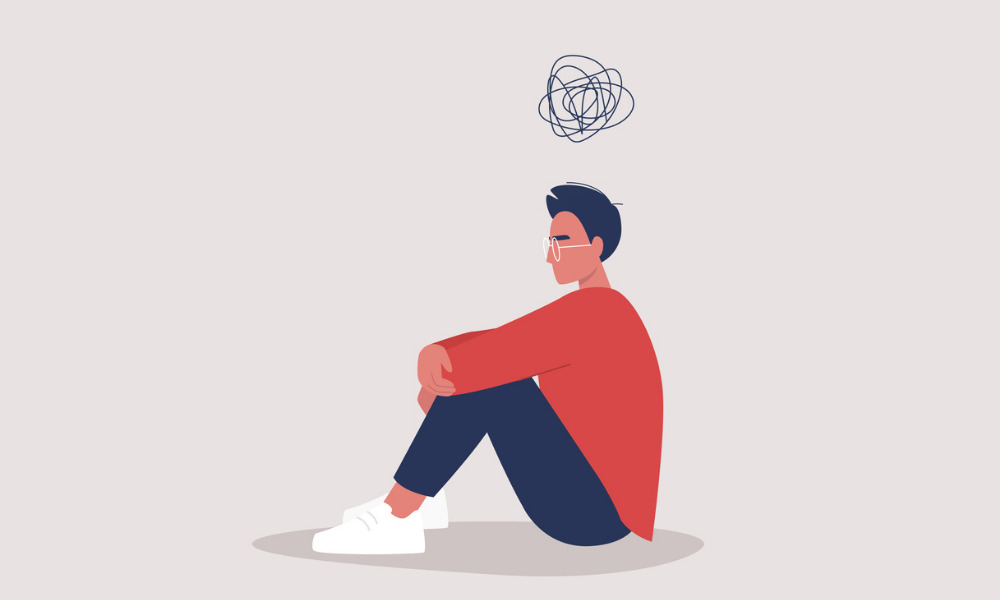
Anxiety is much more common than you might think and differs from stress, even though we often refer to them interchangeably. The pressure of stress is normal, we all deal with it in our daily lives, and while stress is unpleasant, it does have some short-term benefits. Stress comes with physiological changes that can help you overcome challenges and meet your goals — such as increased concentration and enhanced reaction time.
However, anxiety is different because, unlike stress, it has no short-term advantages. When you feel anxious, any stress or worry has become so excessive or persistent that it negatively affects your daily life and your ability to cope with the everyday stressors that we all face. Furthermore, ongoing anxiety can impact your everyday life and overall health and well-being if left unaddressed.
What feelings does anxiety generate?
Anxiety has specific symptoms, which include:
• muscle tension
• restlessness
• irritability
• lack of focus
• excessive or persistent worry
• nausea
• abdominal cramping
• fatigue
• headaches
• hyperarousal - palpitations and sweating
• sleep disturbances - too much or too little
It's best to resolve anxiety and its symptoms by addressing the underlying cause of the anxiety. For example, if a person suffers from anxiety due to increasing debt, they could begin alleviating this by taking actionable steps towards reducing this debt and gaining better financial control. However, at times you may struggle to identify the source of your anxiety, which is where talking to your doctor can help. In addition, here are three beneficial exercises designed to support you during any anxious moments you may experience.
1. Calming your breath
Anxious people tend to breathe only into their upper lungs and chest with shallow, rapid breaths instead of breathing fully into their lower lungs and chest. Calming yourself begins with practicing deeper, slower breathing.
Micro-Action: Practice Natural Breathing
The natural breathing technique is straightforward. Begin gently and slowly to inhale normal air through your nose and fill your lower lungs. Then exhale easily. You might first try it with one hand on your stomach and one on your chest. As you inhale gently, your lower hand should rise while your upper hand stays still.
Here are the three steps:
1. Gently and slowly inhale a normal amount of air through your nose, filling only your lower lungs. (Your stomach will expand while your upper chest remains still.)
2. Exhale easily.
3. Continue this gentle breathing pattern with a relaxed attitude, concentrating on filling only the lower lungs.
Why?
Natural breathing or abdominal breathing is an excellent way to practice proper breathing throughout the day. During anxious moments, you tend to breathe rapidly and shallowly into the upper lungs, which expands the chest. Natural breathing is the opposite because you breathe gently into the lower lungs, thereby expanding the abdomen.
Practicing this way of breathing regularly will help provide sufficient oxygen intake and control the exhalation of carbon dioxide, allowing you to feel calmer, relaxed and more in control.
2. Reframe your mindset
Cognitive-behavioural therapy works with the idea that if you change how you think, you can change how you feel. When you feel anxious or overwhelmed, try shifting your perspective with the following exercise to reframe your mindset.
Micro-Action: Break the Anxious Thoughts Cycle
First, ask yourself whether the endless worry is a problem for you. If the answer is yes, it's good to be aware of that. Next, experiment with different ways of interrupting your anxious thought process, such as:
1. Singing a silly song about your anxiety to an upbeat tempo or speaking your anxieties in a funny voice.
2. Choosing a nice thought to focus on instead of your anxiety. For example, it could be a person you love, your happy place, or even something you look forward to doing later that day, such as eating a nice dinner.
3. Take time out and listen to some relaxing music or read an inspirational book.
Why?
It can be hard to think with clarity when you feel anxious. Sometimes anxious thinking can make us believe untrue, harmful thoughts or make us do things that worsen our anxiety.
This easy exercise will help you break or interrupt your anxious thoughts so you can think clearly and react appropriately to your thoughts. Remember to be conscious when you shift your attention from your anxiety to a task at hand and notice how you feel.
3. Try a whole-body scan
Have you ever noticed that you feel stress or anxiety in different parts of your body? You may notice your breath getting faster or feel your stomach getting queasy. When you can notice where you feel your stress, it's almost like an early warning signal. Paying attention to your body and feeling gratitude for what you have can help release tension and quiet your mind away from anxious thoughts.
Micro-Action: Enjoy a Full-body Gratitude Scan
Your body is an incredible system that allows you to live and enjoy your life. However, it can be all too easy to forget this and take your body for granted. The following gratitude meditation (6:29 minutes) will help you feel grateful for your life right now and ease any anxiety symptoms you may be experiencing.
Why?
Practice this relaxing meditation for the next five days, and notice how you feel better. You may see benefits in as little as one session. Shifting your focus away from anxious thoughts and stressful body sensations using a meditation technique like this whole-body scan is an excellent way to promote a harmonious mind-body connection and reduce anxiety or worry.
Wrap Up
Anxiety is an advanced level of worry and a survival response, not an illness. It is a worry that has evolved into constant, worst-case scenarios and what-ifs spinning around your brain with unrelenting nagging, doubts, and fears. These irrational thoughts can drastically sap your emotional energy and increase your anxiety levels. This anxiety can also interfere with your daily life, goals, and relationships.
Anxiety is a typical human reaction to stress. But too much anxiety can get in the way of living a healthy, happy life. When anxious, our thoughts may be "distorted" in some way. The good news is this chronic habit can be broken by exploring ways to retrain your brain to fight anxiety, stay calm and see life from a more positive perspective. Often, a change in how we think about ourselves is all we need to find a more peaceful, happier place.
Source: Balance2life.com.au